Impact is a word we hear everywhere today.
But what does it actually look like when you are building a company?
At Venturebeam, we believe the most honest way to understand impact is to hear directly from the founders building it.
Through our Venture Impact Score (VIS) framework, we work closely with companies to evaluate how measurable impact and strong commercial performance can scale together.
As part of our VIS Founder Series, we asked founders in our portfolio to share their perspective.
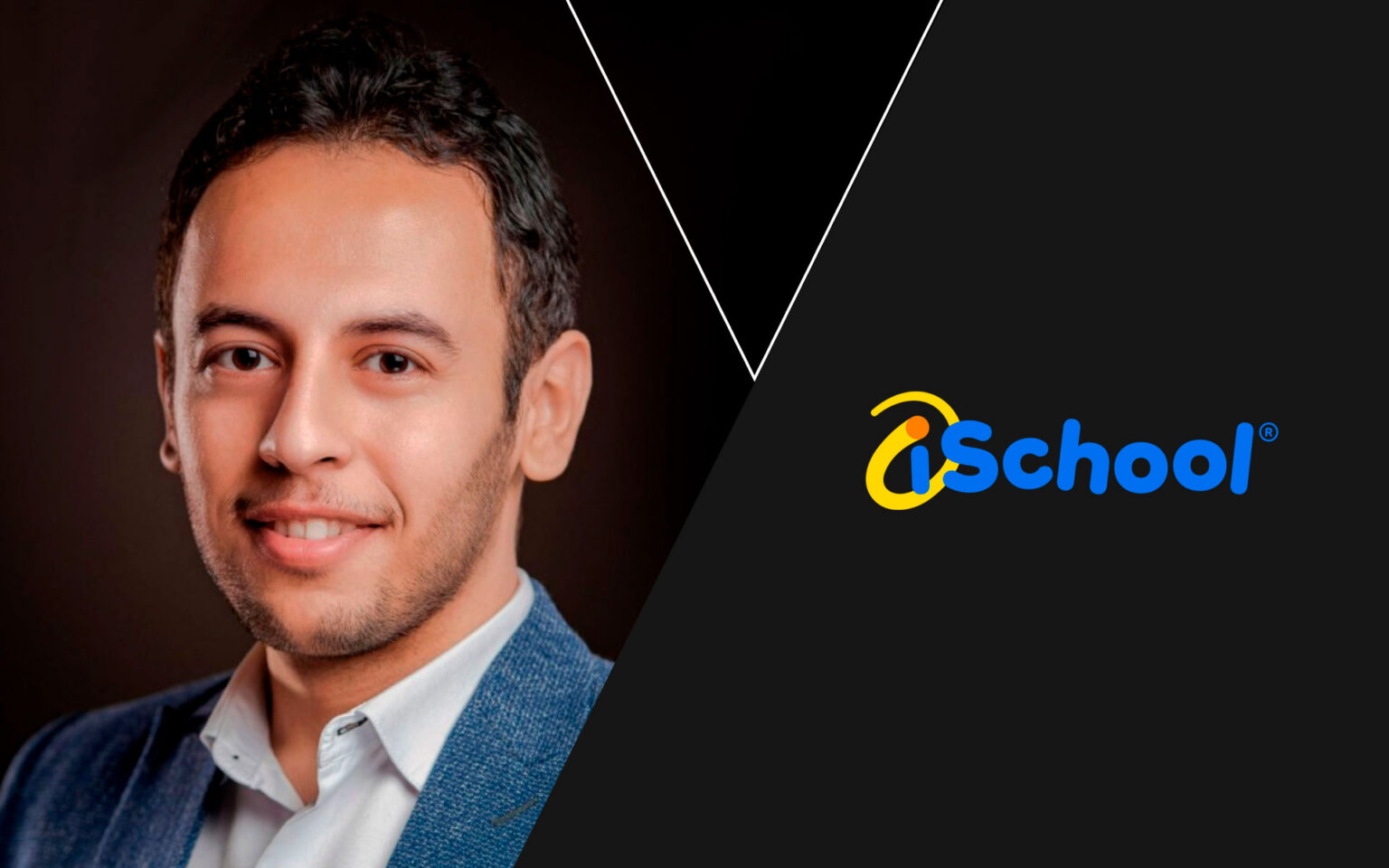
Today we highlight iSchool – an edtech company helping students move from consumers of technology to creators of it.
We spoke with Mohamed Gawish, Co-Founder & CEO, about what meaningful impact in education looks like in practice.
Q: How iSchool defines meaningful impact in education, and how do you know when you are truly delivering it?
For us, meaningful impact in education means equipping students with practical skills that genuinely change their opportunities in life. We measure this through clear learning outcomes, such as students building real AI and coding projects, improving digital literacy, and progressing toward careers, freelancing, or entrepreneurship in technology.
When students move from consumers of technology to creators of it, we know the impact is real.
Q: As iSchool expands across the MENA region, how do you ensure that learning outcomes remain strong and measurable as student numbers grow?
Scaling learning outcomes requires a strong combination of standardized curriculum design, technology-enabled delivery, and rigorous monitoring of progress.
At iSchool, we use structured project-based learning frameworks, teacher training systems, and data-driven evaluation to track student progress across cohorts and geographies. This allows us to maintain consistent quality even as we scale to hundreds of thousands of learners.
Q: The impact of education can take years to fully show results. How do you build a commercially sustainable model while staying focused on long-term student outcomes?
We believe sustainability comes from aligning incentives between impact and revenue. Governments, schools, and parents increasingly recognize the importance of future digital skills, which allows us to build long-term partnerships while maintaining high educational standards.
By combining B2G, B2B, and B2C models, we ensure financial sustainability while continuing to invest in long-term student success.
Q: What has been the biggest lesson in proving that strong impact and strong commercial performance can go hand in hand?
The biggest lesson is that impact and growth reinforce each other when the value delivered is clear and measurable. When students achieve tangible outcomes and institutions see improved digital capacity, demand naturally follows. In education, real impact becomes the strongest growth driver when it is consistently demonstrated at scale.
Strong outcomes also create powerful word-of-mouth effects every classroom becomes part of the growth engine, and every student, parent, and school effectively becomes an advocate, creating a natural flywheel where teaching success also drives expansion across the network.
At Venturebeam, we are proud to support companies like iSchool that demonstrate how measurable impact and scalable business models can go hand in hand.
👉 More about how we evaluate impact through the Venture Impact Score (VIS) framework in our White Paper.